
You are absolutely not wasting your time. Let me tell you something: I didn’t learn English in an English-speaking country. I learned it as a child in a Chinese primary school with no native speakers around. And as an adult, I learned it at home in China, sitting alone at my desk.
A “language environment” is not a place. It’s a habit.
Here’s the truth: Even if you lived in Beijing or Shanghai or any major cities in China, you could still avoid speaking Chinese by staying in expat circles. And conversely, you can create a rich Chinese environment at home without any native speakers around. Here’s what actually worked for me, and what I recommend to my students who study alone:
· Create your own immersion: Change your phone’s system language to Chinese. Label household items with sticky notes. Listen to Chinese podcasts while cooking or doing chores. Watch Chinese shows—even with English subtitles at first, your ears are still learning.
· Use technology as your speaking partner: Apps like HelloTalk (not sponsored by it, just mention it because it’s a very popular App) connect you with native speakers for free text and voice exchange. You don’t need a friend in real life—you just need 10 minutes of chat online.
· Read aloud to yourself: You don’t need another person to practice pronunciation. Read a dialogue aloud. Record yourself. Compare with a native audio. This is one of the most powerful solo exercises.
· Accept that “fluent” doesn’t mean “native-like.” Fluency means you can communicate your needs, understand daily conversations, and express your thoughts—even with an accent and occasional mistakes. That is absolutely achievable alone at home.
So please don’t tell yourself you’re wasting time. Every sticky note on your fridge, every podcast episode you listen to, every word you repeat to yourself—it’s all working. You are building your environment, one small habit at a time.
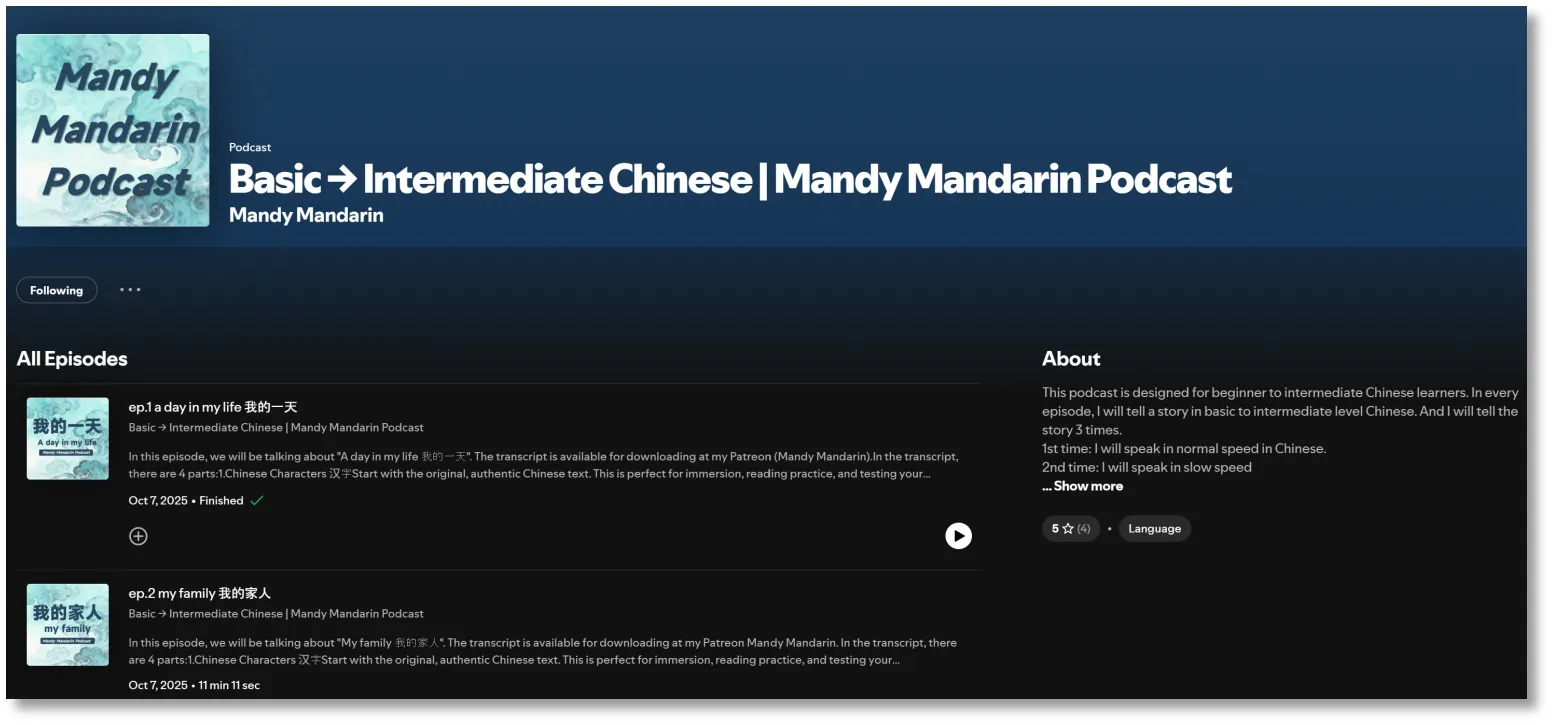
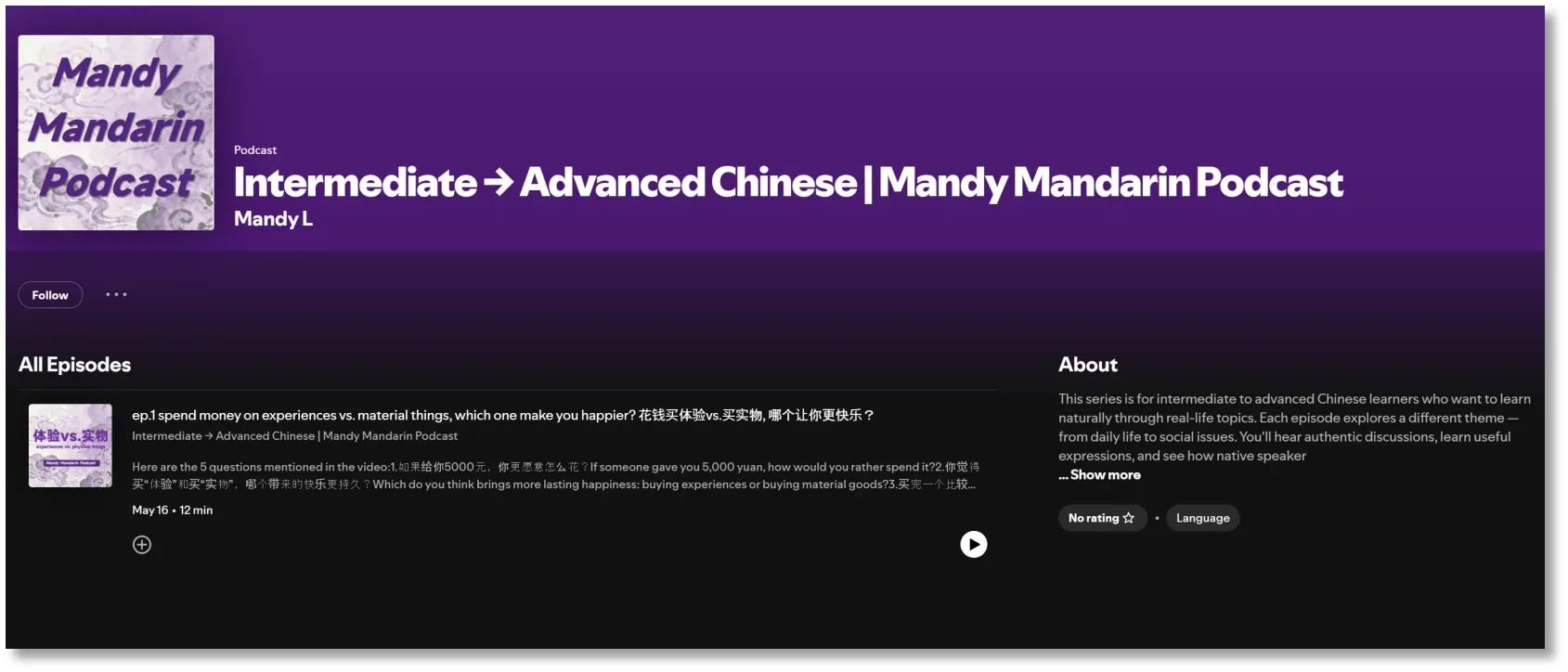
If you are looking for a Chinese learning podcast, maybe you can my podcast might help.